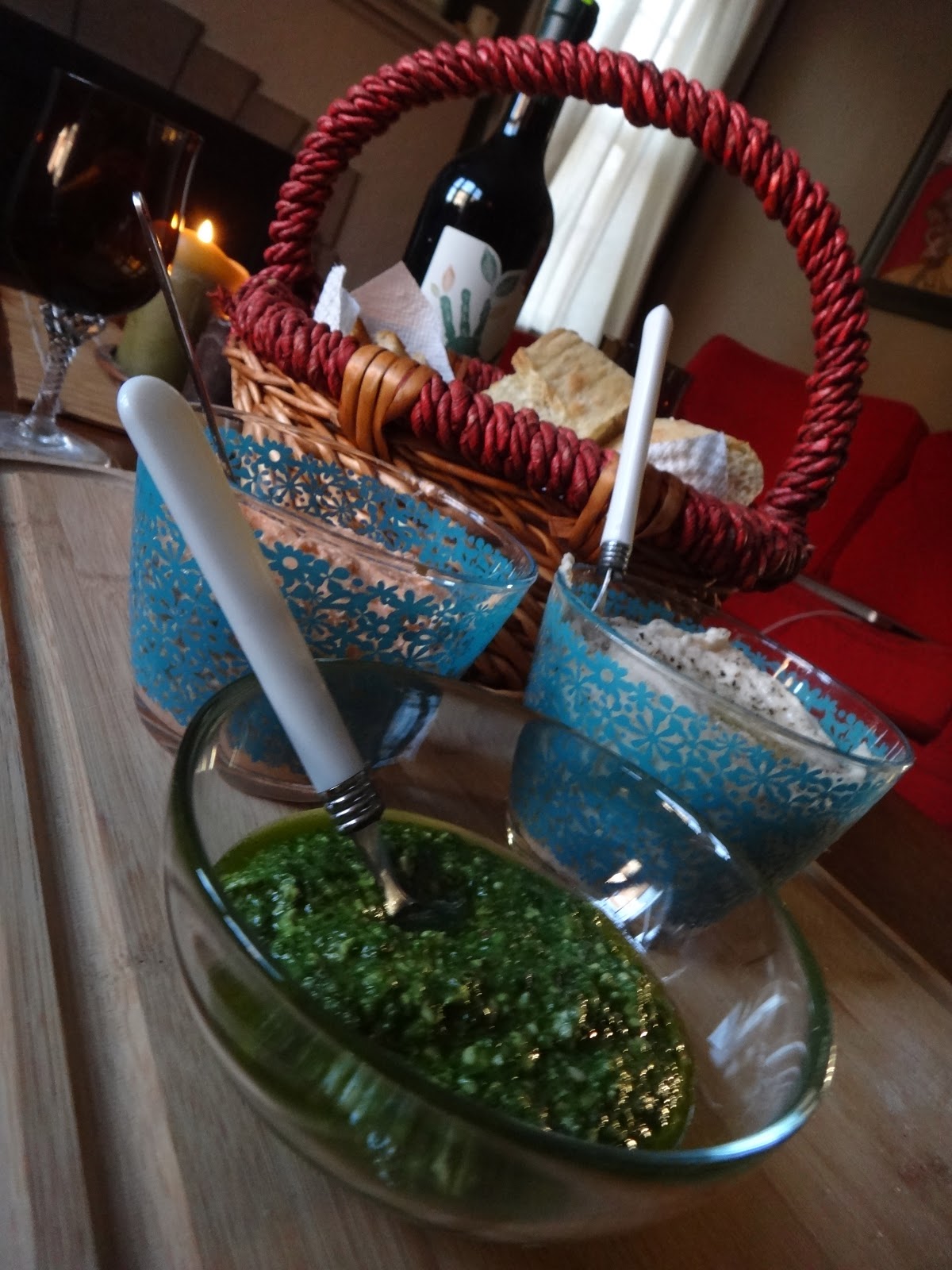
Here's the thing about comfort food. Usually, the reason it's "comforting" is that it's so heavy and rich and full of fat, that it wraps your mind in a soothing fog that briefly helps you forget your troubles. Sometimes, we all need a dose of this type of comfort. But the so-called comfort foods, like fried chicken, lasagne, onion rings, mac n' cheese, or (my favorite) stuffing, tend to rely on fat rather than flavor for their appeal. I like to think that I've mostly evolved past falling for this trick, although I will occasionally give in to a craving for something heavy and rich. However, I've also learned to seek comfort in much healthier food, ever since I discovered the wonderful world of spices.
Growing up, vegetables were something to be suffered through. They were flavorless filler on the plate, served for nutritional value and nothing more. I don't blame my mother for her lack of ingenuity when it came for preparing veggies; she comes from a Swedish background where salt, pepper, and dill are primarily the only seasoning to catch on. I can envision my grandmother's spice rack with its set of Schilling brand powdered spices, untouched since the 70's. I still love my grandmother's cooking, but I'm not sure how she pulls it off. My guess would be butter, and lots of it.
When I became a vegetarian (and now, as a pescatarian) I had to quickly learn how to blend flavors together so that our staple meal (vegetables, protein, and some kind of starch) wouldn't become boring when served night after night. While going to school for Chinese medicine, I was excited to learn that certain spices have medicinal qualities as well.
Here are my top-5 favorite spices, their uses, and a little bit about what they do for you!


The bottom line is this: herbs and spices tell our brain "this tastes good!" and add to the satisfaction we feel when a meal is finished. When we add flavor, we can cut down on fat and still keep a meal interesting. This helps prevent us from reaching for a snack an hour later.
Want to know more? Here's the site I referenced for compiling this list! The World's Healthiest Foods.
Growing up, vegetables were something to be suffered through. They were flavorless filler on the plate, served for nutritional value and nothing more. I don't blame my mother for her lack of ingenuity when it came for preparing veggies; she comes from a Swedish background where salt, pepper, and dill are primarily the only seasoning to catch on. I can envision my grandmother's spice rack with its set of Schilling brand powdered spices, untouched since the 70's. I still love my grandmother's cooking, but I'm not sure how she pulls it off. My guess would be butter, and lots of it.
When I became a vegetarian (and now, as a pescatarian) I had to quickly learn how to blend flavors together so that our staple meal (vegetables, protein, and some kind of starch) wouldn't become boring when served night after night. While going to school for Chinese medicine, I was excited to learn that certain spices have medicinal qualities as well.
Here are my top-5 favorite spices, their uses, and a little bit about what they do for you!
Cinnamon

In Chinese medicine, Cinnamon is a go-to herb for fighting off colds and infections. It's also a so-called blood mover, relieving pain and preventing clots (aka: blood stasis), aiding in the prevention of heart disease. These effects have recently been backed by modern research, and it's also known to help stabilize blood sugar. I add cinnamon to pretty much everything, especially Southwest or Mexican-inspired dishes, like chili, for it's hint of smokey sweetness. Many of my mornings start with oatmeal that has been heavily spiced with cinnamon.
Garlic
Most people already know about the wonders of garlic. It is antimicrobial, meaning it fights infections, and its chemical constituents can regulate fat formation and reduce inflammation. It also helps relax the blood vessels to reduce hypertension. Nutritionists recommend using garlic in at least one meal a day to maximize it's benefits. Again, I find that garlic helps boost the flavor of pretty much any meal I make, and it's part of nearly every sauce I throw together. However, I am a garlic-lover and not everyone is in that same boat. Roasting or boiling garlic before you add it to your dish will help reduce its pungent bite.
Ginger
Ginger is ubiquitous in Chinese herbal formulas, used fresh, dried, powdered, juiced... even applied to skin and hair. The reason it is included so often in formulas is because of its ability to soothe the intestinal muscles, prevent gas and stop nausea, thereby making the other herbs easier to digest. It has been proven effective as a preventative against motion sickness, morning sickness, and other conditions where vomiting is a symptom. Its anti-inflammatory properties are currently being studied and there are big implications for arthritis sufferers. Ginger is at home in Asian-inspired dishes. It is not a flavor that hides in the background, so you kind of have to build the rest of your meal around it. Or, you can always have a cup of ginger tea or a capsule of powdered ginger if you're not a fan of ginger-based dishes (sorry, gingerbread doesn't count!).
Hot Peppers
Spicy peppers contain a chemical called capsaicin, which acts on the pain and heat receptors in our mouths (or eyes, or noses, if we're unlucky!). Even though it seems counter-intuitive, this chemical actually reduces inflammation and has a positive effect on the sensory nerves. Studies have found that rats fed a diet containing spicy food suffered less from arthritis symptoms and neuropathy. It also lowers the risk for Type II diabetes and obesity. Furthermore, spicy foods make you eat slower and induce the release of endorphins, which can leave you feeling satiated after a meal without having to add a ton of fat. If you feel like you can't handle much spice, the trick is to build up a tolerance slowly. Try adding just a few pepper flakes to your meal, then keep upping the ante. You don't need to be sweating to get the full benefits, but you should feel a little bit exhilarated when you put the fork down!
Basil
There is no flavor quite like basil. For me, it is the quintessential smell of summertime, and I rarely include it in my cooking during the months I can't go out and pick it fresh from my garden. It has antimicrobial, anti-inflammatory and anti-oxident properties. Its smell also has a positive effect on mood. The same can be said for many of the other herbs that are commonly used fresh: oregano, rosemary, sage, etc. I add basil liberally to pizzas, Italian sauces, and Asian-inspired stir-fries, and I also bake it into bread, put it on sandwiches, and eat it up with plain tomatoes.
The bottom line is this: herbs and spices tell our brain "this tastes good!" and add to the satisfaction we feel when a meal is finished. When we add flavor, we can cut down on fat and still keep a meal interesting. This helps prevent us from reaching for a snack an hour later.
Want to know more? Here's the site I referenced for compiling this list! The World's Healthiest Foods.